Comparing Environmental Property Screening Tools: What Homebuyers Need to Know
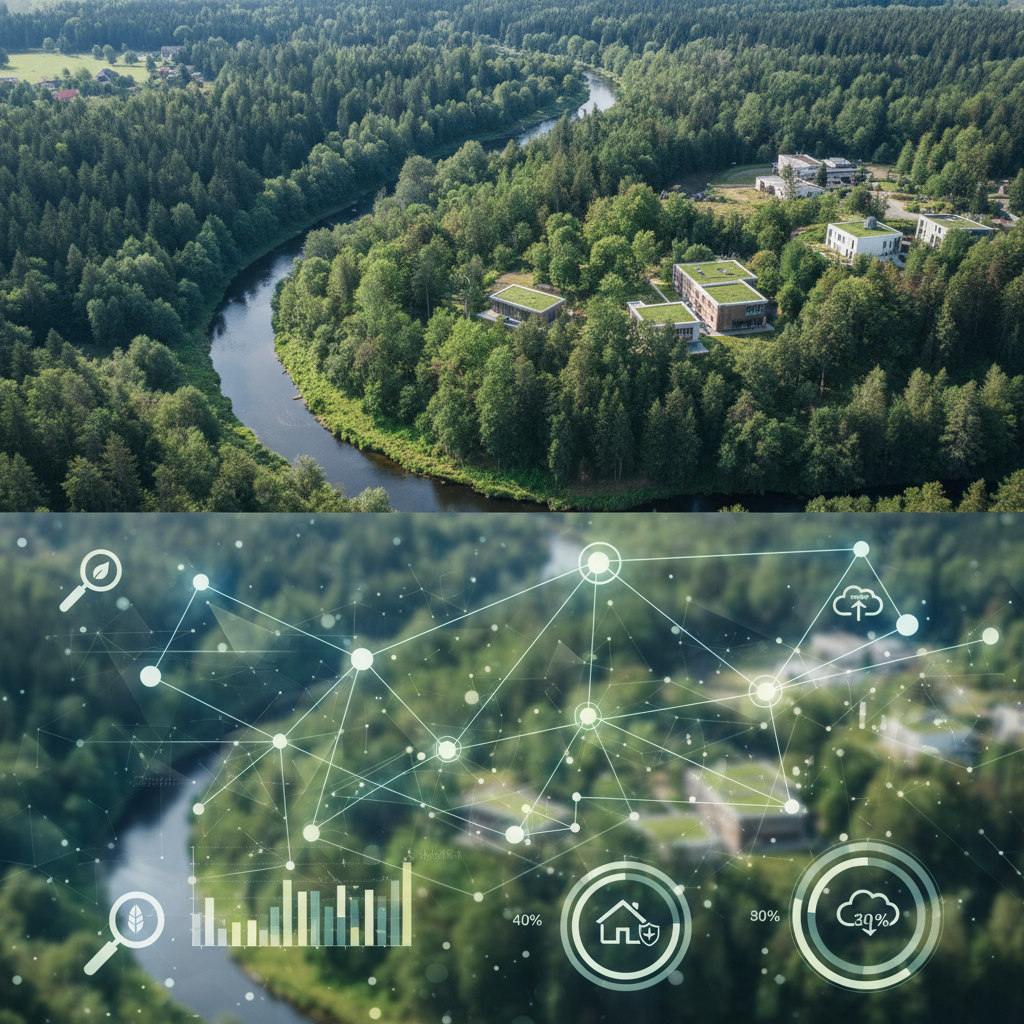
When you're buying a home, your to-do list probably covers inspections, appraisals, and title searches. But here's a secret: a crucial piece of due diligence often gets completely missed—understanding your potential property's environmental story. That's where environmental property screening tools come in, helping buyers uncover potential issues you'd never spot on a quick walk-through. These tools tap into massive databases, revealing what's really hidden beneath the surface, just around the corner, or floating in the air.
Why Environmental Screening Matters Before You Buy
Turns out, a home's environmental landscape can quietly shape everything from your daily life to its future resale value. Take the Phoenix area, for instance: we recently surveyed local homebuyers, and three out of four had never even heard about the city's PFAS contamination, despite federal tracking for a decade. Knowing about nearby industrial sites, the land's past uses, or even local water quality issues can be incredibly important. This kind of awareness lets buyers make truly informed decisions and approach the transaction with all the facts, protecting both their investment and, frankly, their family's health.
Types of Environmental Property Screening Tools
It's worth noting that not all environmental screening tools are built the same; some give you a quick overview, while others dig deep into specific contaminants or local hazards. Understanding these differences can really guide you toward the right tool, especially when you're looking at an unfamiliar area.
Basic Online Search Engines (Public Data)
Most homebuyers naturally start their research with a few general online searches. Public tools, like the EPA's Superfund database or various state environmental agency portals, offer facility-specific details, but you've got to know exactly what you're looking for and manually stitch together information for a particular address. While free, this approach is a serious time sink and rarely offers comprehensive, radius-based searches. Imagine trying to find every toxic release site within two miles of a prospective home using only public portals—it can easily eat up hours of cross-referencing.
Standard Property History Reports
Some property history reports, the kind often bundled with a home inspection, might include a small environmental section. Generally, these focus just on known hazards on the property itself, like radon or lead. What they usually miss, however, are broader neighborhood-level concerns, such as nearby industrial pollution, active Superfund sites, or even violations in the local water system. They're a decent first step for detecting on-site issues, but they don't quite offer the wider environmental context you really need when moving to a new area—and they certainly won't tell you about PFAS detections in local water.
Environmental Site Assessments (Phase I ESA)
Now, Phase I Environmental Site Assessments are a whole different beast. These professional reports are typically a must-have for commercial real estate deals, involving site visits, deep historical record dives, and interviews. While incredibly thorough, a Phase I ESA is generally overkill and way too expensive for residential buyers, often running into the thousands of dollars. They're designed for the complexities of commercial properties, not for the average home purchase, making them unsuitable for most homeowners' needs or budgets.
Address-Specific Screening Platforms (Vrnl)
Platforms like Vrnl, on the other hand, offer a more targeted solution specifically for residential buyers. They combine data from tons of federal sources (think EPA, FEMA, USGS) into one easy-to-read, address-specific report. These environmental property screening tools show you proximity to all sorts of environmental factors, everything from Superfund sites and industrial polluters to flood zones and even water quality violations. The idea is to give you a comprehensive environmental snapshot that's actually relevant to your homebuying decision. Vrnl reports pinpoint potential concerns within a set radius, giving you a quick overview of the environmental landscape around a property and highlighting what might need a closer look, without claiming to replace professional testing.
Vrnl: A Comprehensive Approach to Environmental Awareness
Vrnl prides itself on giving homebuyers a detailed, yet incredibly accessible, environmental snapshot. Our reports pull together vital federal data, showing you just how close a property is to over a dozen types of environmental factors. We're talking EPA Superfund sites, facilities that report toxic releases, PFAS detections in local water systems, and even historical natural hazards. Most buyers seem to skip the environmental check entirely; they'll happily pay $500 for a home inspection but won't spend ten minutes Googling whether the neighborhood is downwind from a chemical plant. Vrnl aims to fill that often-overlooked knowledge gap.
Key Differentiators
At its core, Vrnl is about delivering actionable awareness without causing unnecessary alarm. Our reports are hyper-specific to your potential address, drawing from the very same federal databases environmental pros use, but presenting the information in a homebuyer-friendly way. We show you what the EPA has flagged in the area, offering crucial context without ever exaggerating the findings. Think of these reports as a starting point for a truly informed discussion, not a definitive clean bill of health. They're designed to highlight concerns that are definitely worth a closer look.
What Vrnl Reports Include:
When you screen an address with Vrnl, you get a report that frankly goes way beyond basic property history. It includes:
- Proximity to EPA Superfund and Brownfield sites, complete with their cleanup status
- Details on registered industrial facilities and their reported toxic chemical releases
- PFAS detections and levels found in nearby public water systems
- Any public water quality violations by local providers
- Regional air quality data and historical averages
- FEMA flood hazard zones and past disaster declarations
- Info on nearby agricultural operations and county-level pesticide use estimates
- Active and historical mining operations near the location
- Proximity to significant noise sources like airports and rail lines
Beyond the Basics: Context and Actionability
One of Vrnl's often-overlooked advantages is how it frames raw data. For example, finding a TRI site nearby isn't just a random dot on a map; the report actually specifies the chemicals released and their quantities. If a public water system shows PFAS detections, the report clearly compares those levels against current EPA health advisories. This kind of context is absolutely critical for understanding what the potential implications might be. It helps you decide if you need to pursue additional inspections, get water testing done, or even talk to local experts. Vrnl doesn't claim to replace professional property assessments, but it certainly helps you figure out where those assessments might actually be warranted.
Choosing the Right Tool for Your Home Purchase
Figuring out the best environmental property screening tool really comes down to your individual needs and budget. For comprehensive, address-specific awareness without the heavy cost or complexity of a full commercial assessment, platforms like Vrnl offer a perfectly targeted solution. They provide a vital layer of due diligence that generic property reports and endless manual public database searches often miss. Vrnl was designed precisely for the health and eco-conscious homebuyer, giving them a real look into potential environmental concerns that could affect their family or their investment. It's an often-overlooked step in the home buying process that can easily prevent some seriously unpleasant surprises down the road. Imagine this: the EPA flagged a specific site in 1987. Thirty-seven years later, that contamination plume has migrated half a mile east—right under a subdivision that didn't even exist when testing stopped. Knowing this crucial context before you buy is genuinely invaluable.
It's just smart to understand the environmental context of your potential new home. That's why environmental property screening tools like Vrnl are so important; they deliver the detailed, address-specific information that really empowers homebuyers to make confident decisions. Don't leave environmental due diligence to chance—get the facts before you commit. Go ahead and get your environmental report today to see what's truly hidden.
Frequently Asked Questions
This article was created with AI assistance and human editorial review for educational purposes only. It is not environmental, legal, medical, or real estate advice and does not constitute a Vrnl environmental report. For property-specific information, consider a Vrnl screening report or consult appropriate professionals. Read full disclaimer.