How to Check for Contaminated Land Before Buying a Home
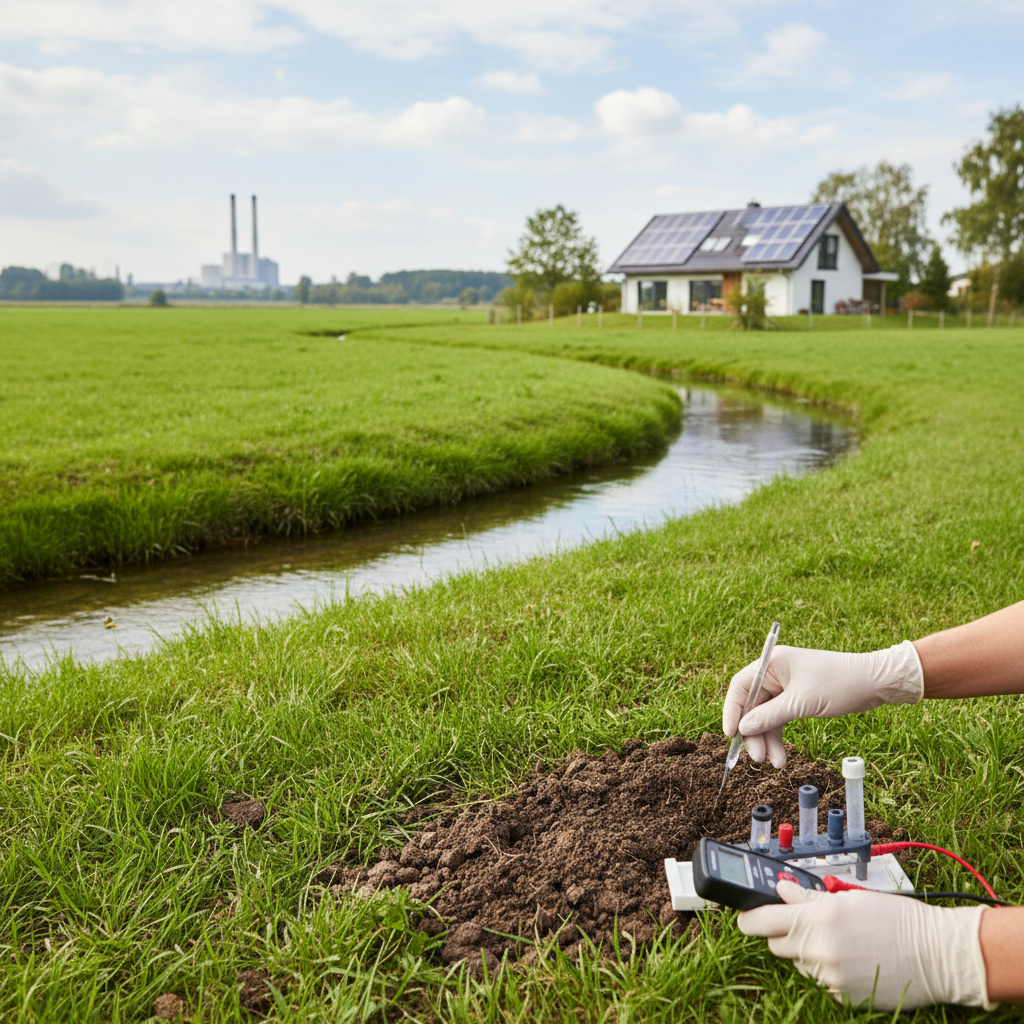
Buying a home is a big deal, maybe the biggest investment many of us will ever make. Most buyers are hyper-focused on things they can see: whether the foundation's solid, if the school district is top-notch, or what the neighborhood crime stats look like. But there's a quieter, often overlooked concern that can be just as critical: what's lurking beneath the surface, specifically the potential for contaminated land. These unseen environmental issues can secretly chip away at property values, impact health, and even throw a wrench into future renovation plans. Understanding how to check for contaminated land before buying is really about protecting your wallet and your family's well-being. This guide pulls back the curtain on common contamination sources and spells out the practical steps homeowners can take during the crucial due diligence process.
Understanding What 'Contaminated Land' Means for Homebuyers
When we talk about contaminated land, we're really thinking about areas where hazardous substances might be hanging around at levels that could pose a risk to people or the environment. These tricky substances could be hiding in the soil, groundwater, or even surface water. It turns out that contamination isn't just one thing; it stems from all sorts of activities, everything from old industrial operations to farming practices, or even just natural geological elements. What's rarely disclosed, and often overlooked, is that most contamination is totally invisible—good luck spotting it during a quick open house tour. That's why spotting these issues early is critical, especially if you're eyeing a home in an area you don't know well. Most buyers just assume that if a house is on the market, it must be perfectly safe. But that's not always the case; the burden of discovery usually falls squarely on the buyer to do their own digging.
Common Sources of Land Contamination You Might Encounter
Contamination sources are surprisingly varied, and they often tell a story about what the land was used for previously, or what's going on nearby. Think about it: old industrial sites, forgotten landfills, and even certain agricultural practices can leave behind a pretty significant environmental legacy. Knowing these categories really helps buyers understand what to keep an eye out for. Imagine that seemingly harmless vacant lot in an older part of town. It might look innocent now, but it could have once hosted a dry cleaner. Those businesses often used chemicals like perchloroethylene, which can easily seep into the soil and groundwater. And here's the kicker: that contamination doesn't always stay put; it can migrate, silently affecting properties hundreds of feet away. The EPA, thankfully, keeps tabs on many of these sites, but pulling out and making sense of all that data can feel like quite a chore.
- Former Industrial and Commercial Sites: Factories, gas stations, dry cleaners, and auto repair shops are notorious for leaving behind petroleum hydrocarbons, heavy metals, and solvents.
- Landfills and Waste Disposal Areas: These sites can release things like methane gas, leachate (a liquid containing various chemicals), and sometimes even radioactive materials.
- Agricultural Land: Decades of pesticides, herbicides, and excess fertilizers can build up in the soil and groundwater, potentially messing with water quality.
- Mining Operations: Ancient mining sites often contain heavy metals like lead, arsenic, and mercury. These can make the soil and water really acidic.
- Military Bases and Training Facilities: Chemicals like PFAS (the 'forever chemicals' from firefighting foams), unexploded ordnance, and other hazardous wastes are unfortunately common here.
- Naturally Occurring Contaminants: Radon gas, asbestos, and arsenic occur naturally in some geological formations. Their risk depends a lot on where you are and how concentrated they are.
Initial Steps to Screen for Contaminated Land
Before you even think about calling in the expensive specialists, you can do some pretty solid detective work yourself. This means diving into online resources, poring over local government records, and checking out publicly available environmental databases. A lot of this stuff is free, but you'll definitely need some time and patience to navigate it all. Most homebuyers wisely start their journey here, just getting a preliminary sense of whether there might be any potential issues. A great first move is to plug the property address into a comprehensive environmental screening platform. Tools like this pull together data from trusted sources, like EPA and state databases. They give you a quick snapshot of nearby regulated sites, hints about historical land uses, and flags for potential environmental concerns such as Superfund sites, brownfields, or big industrial facilities. It's a really efficient way to see if you need to investigate further.
Consult Online Environmental Databases
Federal agencies, like the EPA, actually maintain several public databases. For example, the National Priorities List (NPL), often called Superfund sites, identifies the most significantly contaminated sites across the country. The Toxics Release Inventory (TRI) keeps tabs on chemical releases from industrial facilities. There are also brownfield inventories, which track sites undergoing cleanup and redevelopment. While these databases offer a ton of information, trying to interpret the raw data and figure out how it applies to a specific house can be a bit like deciphering a secret code.
Review Local and State Records
Your local health department, planning office, or state environmental protection agency are often treasure troves of information. They might have records on past spills, permitted waste sites, or known contaminated areas right in their jurisdiction. Some states even have their own lists of contaminated sites or voluntary cleanup programs. Just a heads up—accessing these records sometimes means filing public information requests, and that can occasionally take a while.
Examine Historical Property Use
Digging into what was situated on or near the land in the past can definitely reveal some hidden contamination risks. Old maps, city directories, and even aerial photographs can show you where former industrial facilities, landfills, or agricultural operations used to be. While platforms like Vrnl won't tell you the precise historical land use for your specific parcel, they do show you how close you are to a wide range of relevant facilities. For the deepest dive into historical property research, some companies specialize in this and offer their services for a fee.
When to Consider Professional Environmental Assessments
If your initial research uncovers some red flags, or if you're eyeing a property in an area with a known history of heavy industry or extensive agriculture, investing in a professional environmental assessment is a really smart move. These assessments go way beyond basic screening; they bring in trained experts who can conduct much more in-depth investigations. While this step is standard practice in commercial real estate deals, it's becoming increasingly important for residential buyers who want to do truly thorough due diligence.
Phase I Environmental Site Assessment (ESA)
A Phase I ESA is essentially a deep dive into a property's history and a thorough visual inspection, usually carried out by an environmental consultant. This assessment doesn't involve digging holes or testing soil or water samples. Instead, the consultant reviews historical documents, government databases, observes the site, and interviews current or past occupants to pinpoint any "recognized environmental conditions" (RECs). Most homebuyers don't go for a full Phase I ESA unless they hit some significant snags in their initial research, or if the property is unusually large or has a really complicated past.
- Identifies Recognized Environmental Conditions (RECs)
- Reviews historical maps, permits, and regulatory records
- Includes a site visit and interviews with current or past occupants
- Does NOT involve physical sampling or testing
Phase II Environmental Site Assessment (ESA)
If a Phase I ESA flags some RECs that really warrant more investigation, then a Phase II ESA is the next logical step. This is where things get hands-on: it involves taking physical samples of soil, groundwater, and sometimes even air or building materials, and sending them off for laboratory testing. The results from a Phase II tell you exactly what contaminants are present, at what concentrations, and how far they've spread. This helps establish the scope of the problem and what kind of cleanup might be needed. This is a much more involved process, and it can be quite costly, typically reserved for properties where there's a strong likelihood of contamination.
- Performed if Phase I identifies potential contamination
- Involves collecting and laboratory testing samples (soil, water, air)
- Quantifies contaminant levels and defines the extent of contamination
- Can be expensive, often costing thousands to tens of thousands of dollars
Specific Testing for Common Contaminants
Sometimes, you might have a specific concern that doesn't quite call for a full-blown ESA. For instance, if the property you're looking at has a private well, it's really important to test that well water for specific contaminants like pesticides, heavy metals, or the notorious PFAS chemicals. If the house itself was built before the mid-1980s, you'll probably want to look into testing for asbestos in building materials or lead paint. Radon gas is another really common concern, and that needs its own specific testing, completely separate from land contamination. Many general home inspectors can point you towards reliable services for these more typical household environmental tests.
- Radon testing for gas levels in the home
- Lead-based paint inspections for older homes
- Asbestos testing for certain building materials
- Private well water testing for various contaminants
Leveraging Technology for Environmental Screening: Vrnl vs. Other Options
It's pretty amazing how many tools homebuyers have at their fingertips these days for due diligence. Understanding the different ways to screen for environmental issues can really help you make a smart decision. Most buyers are looking for that sweet spot: something comprehensive, easy to use, and affordable. The options can swing wildly, from simply Googling something to bringing in specialized environmental consultants. Now, you might have seen traditional environmental reports, like those often bundled into Natural Hazard Disclosure (NHD) reports. The truth is, these usually have a pretty limited environmental scope. They tend to focus mainly on natural hazards, things like flood zones or earthquake fault lines, and rarely dive deep into human-made contamination or regulated facilities. They don't typically include information on nearby industrial sites, Superfund locations, or detailed water quality violations. For homebuyers who want a broader environmental context—something beyond just natural hazards—a dedicated environmental screening platform actually offers a much more focused solution to check for contaminated land.
DIY Online Research
Pros: It's free, and everyone can do it. Cons: It's a huge time sink. The data is scattered across tons of government websites, it's hard to interpret the raw information, and it's surprisingly easy to miss crucial details. Most people just get completely overwhelmed pretty quickly.
Natural Hazard Disclosure (NHD) Reports
Pros: These are often part of the standard purchase agreement, and they do cover natural risks. Cons: Their environmental scope is pretty narrow. They focus on natural hazards like flood zones and seismic activity, and rarely include data on industrial contamination, old landfills, or Superfund sites. So, no, they don't really help you check for contaminated land comprehensively.
Phase I ESAs (Environmental Site Assessments)
Pros: These are incredibly thorough, done by real professionals, and are perfect for high-risk properties or commercial transactions. Cons: They're expensive—we're talking thousands of dollars—and they take a long time (weeks!). For most residential deals, they're probably overkill, and they typically don't even include soil or water testing unless a Phase II is triggered.
Environmental Screening Platforms like Vrnl
Pros: Vrnl pulls together federal environmental data, it's super easy to use, gives you a proximity-based awareness report, and it's affordable (starting at $39). It flags potential concerns from a whole range of categories: Superfund, Brownfields, PFAS, water quality violations, industrial sites, and more. Cons: This isn't a substitute for professional testing (soil, water). It shows you proximity data for facilities, not property-specific contamination, and it can't offer legal advice. Vrnl's whole point is to unearth what's hidden nearby, giving buyers the awareness they need to decide if they should dig deeper. It's really that fourth essential piece of due diligence, right alongside your home inspection, appraisal, and title search.
What to Do If Contamination is Found
Stumbling upon potential contamination near a home you're keen on doesn't automatically mean you have to walk away. What it does mean is that you've got some incredibly valuable information that needs careful thought. It's the context and severity of the contamination that truly matter here. So many factors play into the actual risk to a residential property. For example, a Superfund site five miles down the road poses a very different level of concern than a former industrial facility situated right across the street with documented groundwater contamination. Always consider crucial details: how far away is it, what type of contaminant are we talking about, and are there active cleanup or monitoring efforts underway? Often, there are effective ways to manage these risks, and sometimes, the market has already factored in these issues. Armed with this knowledge, homebuyers can negotiate a better price, ask the seller for further testing, or build potential remediation costs into their offer.
- Evaluate the risk: Think about the type of contaminant, how close it is to your property, if there are ways it could reach you (like through groundwater), and if anyone is actively cleaning it up.
- Consult with experts: An environmental consultant can be a lifesaver here, helping you make sense of the findings and what they really mean for your specific property.
- Negotiate with the seller: If contamination is definite or highly likely, you've got leverage. You could ask for a lower price, demand the seller handle the cleanup, or even get an agreement for future issues.
- Consider your comfort level: Ultimately, this is your decision. Some buyers just prefer to steer clear of any environmental red flags, while others are fine as long as the risks are known and manageable.
Protecting Your Investment and Family
Finding just the right home means juggling a lot of different factors, and environmental safety should absolutely be near the top of that list. Contaminated land can ripple through home values, affect insurance rates, and, most importantly, potentially impact the health of everyone living there. It's kind of wild to think about, but most homebuyers simply skip the environmental check, focusing instead on things like a leaky faucet or a fresh coat of paint. Yet, those hidden environmental concerns can easily turn out to be far more expensive and impactful down the road. Turns out, three out of four Phoenix-area home buyers we surveyed had no idea about the PFAS contamination in their city. The EPA, meanwhile, had been tracking it for a decade! This really highlights a massive knowledge gap. So, weaving environmental screening into your due diligence process doesn't just protect your financial investment; it safeguards the well-being of your family. It's about shifting from an uninformed buyer to a truly prepared one, making decisions based on solid awareness, not just assumptions.
To sum it up, knowing how to check for contaminated land before buying is a vital, often overlooked, part of smart home buying due diligence. While it might feel like another layer of complexity, the insights you gain can save you from huge headaches down the road. Start with those easy-to-use screening tools, and if anything pops up, don't hesitate to bring in the professionals for deeper assessments. Each step helps you paint a clearer picture of your prospective home's environmental landscape, ultimately letting you buy with a lot more confidence. Why not explore Vrnl today and see how readily available environmental data can inform your next home purchase?
Frequently Asked Questions
This article was created with AI assistance and human editorial review for educational purposes only. It is not environmental, legal, medical, or real estate advice and does not constitute a Vrnl environmental report. For property-specific information, consider a Vrnl screening report or consult appropriate professionals. Read full disclaimer.