The Overlooked Impact of Superfund Sites on Property Values
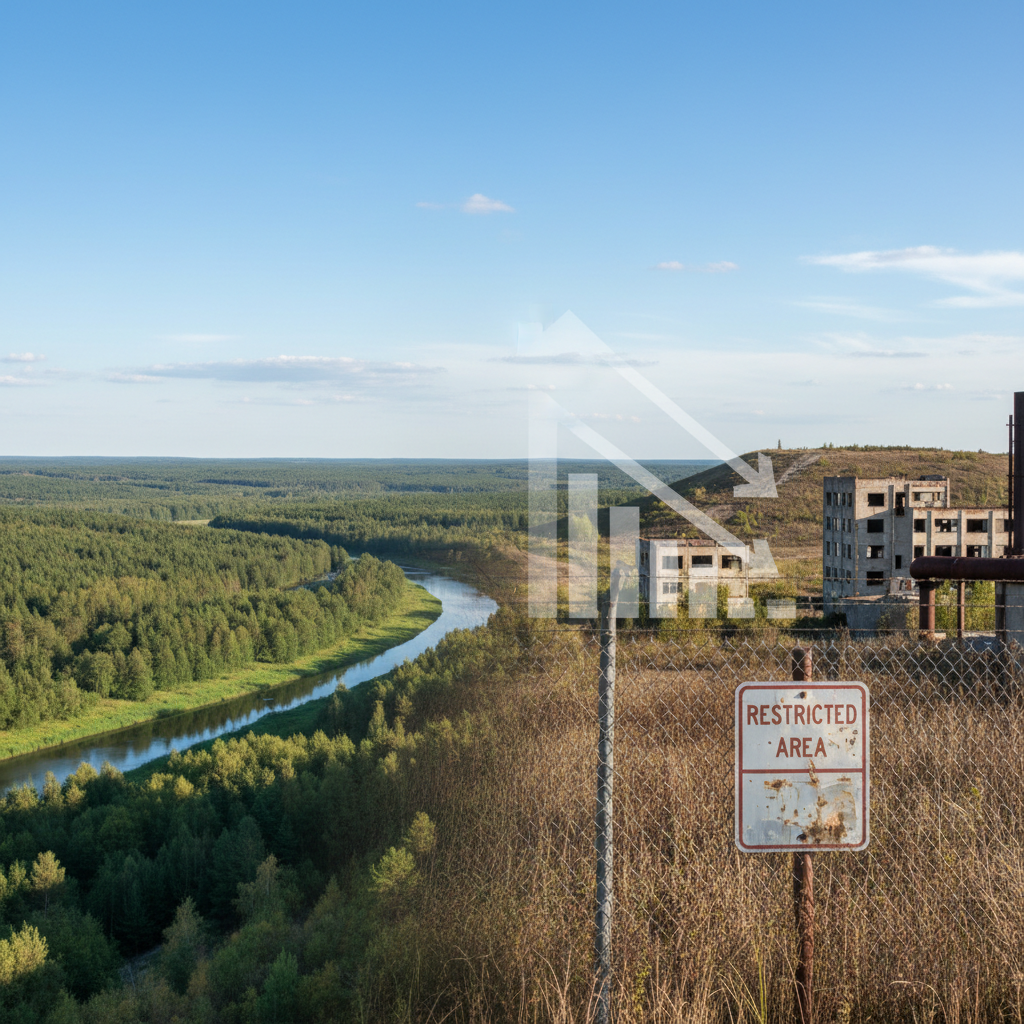
Most homebuyers focus intensely on school districts, commute times, and home features. But the environmental context of a property often gets less scrutiny, and that oversight can have some pretty significant financial implications. The presence of a Superfund site nearby, for instance, can cast a long shadow on a home's desirability and, by extension, its property value. Understanding a Superfund site property value impact is critical for anyone considering buying a home, turns out.
What Defines a Superfund Site?
A Superfund site is essentially an area so contaminated with hazardous waste that the U.S. Environmental Protection Agency (EPA) has stepped in to manage its cleanup. Think abandoned factories, old mining operations, or landfills where toxic stuff wasn't handled properly. The EPA keeps tabs on these places through its National Priorities List (NPL), which flags them for long-term remedial action. The ultimate goal, of course, is to clean these sites up to protect human health and the environment, though that process can sometimes drag on for decades.
- Identified by the EPA as contaminated with hazardous waste.
- Designated for long-term cleanup under the Superfund program.
- Listed on the National Priorities List (NPL).
- Cleanup efforts aim to mitigate risks to health and environment.
Direct Property Value Impact: Proximity and Perception
One of the most immediate financial headaches for properties near Superfund sites is a potential hit to their value. Academic studies and real-world examples consistently show that just being close to one of these sites can depress home prices. How much impact, exactly? That varies widely, depending on things like the type of contamination, how far along the cleanup is, and the general health of the local housing market. Take this study in the Journal of Real Estate Finance and Economics: it found properties within a mile of a Superfund site could see their value drop by as much as 10-20% compared to similar homes further away. And honestly, it's not just about the actual risk; it's hugely about perception. Even if a site is well into its cleanup phase, a certain stigma can linger, making potential buyers hesitate. The market often bakes in this uncertainty, reflecting buyers' worries about future health impacts, resale challenges, and just general neighborhood desirability. So, the Superfund site property value impact isn't just a theory; it's a documented financial reality.
Market Stigma and Buyer Resistance
The psychological effect of living near a Superfund site is pretty significant. Show most homebuyers information about nearby environmental contamination, and they'll definitely factor that into their decision. They might worry about long-term health effects—even if current data suggests otherwise—or they might simply want to avoid the perceived risk entirely. That reluctance often translates into diminished demand, which can lead to lower sale prices and homes sitting on the market longer in affected areas.
Indirect Impacts: Insurance, Financing, and Resale
Beyond just affecting the sticker price, living near a Superfund site can throw up other hurdles for homeowners and future buyers. It might make it tougher to secure certain types of insurance, impact how lenders appraise the property, and definitely create some challenges when you decide to sell. Lenders, for example, frequently require environmental assessments for commercial properties, and that concern can bleed over to residential properties in areas deemed high-risk. An appraiser might even flag the Superfund site proximity as an "adverse external obsolescence," which could actually lower the property's appraised value. This, in turn, can make getting a mortgage harder or demand a heftier down payment. When it's time to sell, explaining the situation to new buyers, even with full disclosure, can scare off potential offers, resulting in extended listing periods and further price reductions. The long-term Superfund site property value impact really makes this a persistent issue.
The Science Behind the Concern: Contaminant Migration
While many homebuyers are worried about market value (and rightly so), the whole reason a site gets the Superfund designation in the first place is the hazardous substances lurking there. These contaminants can pose risks in a few different ways. For instance, chemicals can leach into groundwater, carried by rainwater into underground aquifers that supply drinking water. They can also migrate through soil, potentially impacting backyard gardens or even seeping into homes through vapor intrusion. An EPA scientist once explained that even decades after a site is identified, the movement of a contamination plume can be slow but persistent. The EPA flagged a specific site in 1987. Turns out, thirty-seven years later, the contamination plume had migrated half a mile east—directly under a subdivision that didn't even exist when the testing stopped. This really highlights why ongoing monitoring and understanding a site's specific contaminants and geology are so crucial. Not all Superfund sites pose the same risk, but the potential for contaminant migration is often what triggers their designation. Most homebuyers simply don't have this kind of detailed insight without specific screening.
Diligent Due Diligence: Screening for Superfund Sites
Most buyers completely skip the environmental check. They'll drop $500 on a home inspection but won't spend ten minutes looking into the environmental context of their potential purchase. This oversight is particularly risky, especially when there's a potential Superfund site property value impact. Sure, real estate agents usually have to disclose known material facts, but the depth of that disclosure can really vary. A property history report might mention a Superfund site, but it won't give you a full picture of other environmental concerns. For real due diligence, homebuyers need to dig deeper than just standard reports. That means understanding an area's environmental history and what's happening there now. A common misconception is thinking that once a site is being cleaned up, all risks are gone. But cleanup is a long, complex process, and while it definitely reduces risks, it's not an instant fix. Screening tools let buyers identify not just Superfund sites, but also other EPA-regulated facilities like brownfields, industrial polluters, or landfills that might affect a property. Doing this proactive research helps buyers grasp potential concerns and really assess the full environmental landscape of their prospective home. It's an essential pre-purchase step, right alongside the home inspection and appraisal.
Beyond the Superfund Label: Other Environmental Risks
Focusing only on Superfund sites can also lead to a kind of tunnel vision. There are plenty of other environmental factors out there that can influence a property’s desirability and value. Think about nearby industrial facilities, local water quality issues, air pollution, or even agricultural runoff. A good, comprehensive environmental screening will layer in these different factors to give you a much more complete picture of the area.
Navigating Superfund Proximity: What to Consider as a Buyer
If you find a property you really like near a Superfund site, a few key things should guide your decision. First, get as much specific information as you can about that particular site. What chemicals are involved? How far along is the cleanup? Are there any ongoing monitoring requirements? The EPA’s website is usually a good place to start for details on individual Superfund sites. Next, really assess the actual proximity and any potential ways contamination might spread. Is the site upwind or downwind? What are the local water conditions like? While a Superfund designation definitely points to environmental concerns, the specific risk profile can swing wildly from one site to another. If you're seriously concerned, it might be worth talking to an environmental professional. Most importantly, make sure you factor the perceived risk into your offer price. The Superfund site property value impact truly needs to be part of your financial calculations.
The presence of a Superfund site within a few miles of a prospective home can indeed have a measurable Superfund site property value impact, influencing everything from market desirability to financing. For homebuyers, this isn't about immediate panic; it's simply about making an informed decision. Being aware of these potential environmental factors transforms what might seem like a straightforward home purchase into a much more considered investment. Understanding these environmental realities doesn't just help protect perhaps your largest financial asset, but also the well-being of those living in your new home. It’s definitely worth checking out how easy it is to uncover environmental insights for any address.
Frequently Asked Questions
This article was created with AI assistance and human editorial review for educational purposes only. It is not environmental, legal, medical, or real estate advice and does not constitute a Vrnl environmental report. For property-specific information, consider a Vrnl screening report or consult appropriate professionals. Read full disclaimer.