Understanding Environmental Hazards in a Pre-Purchase Home Inspection
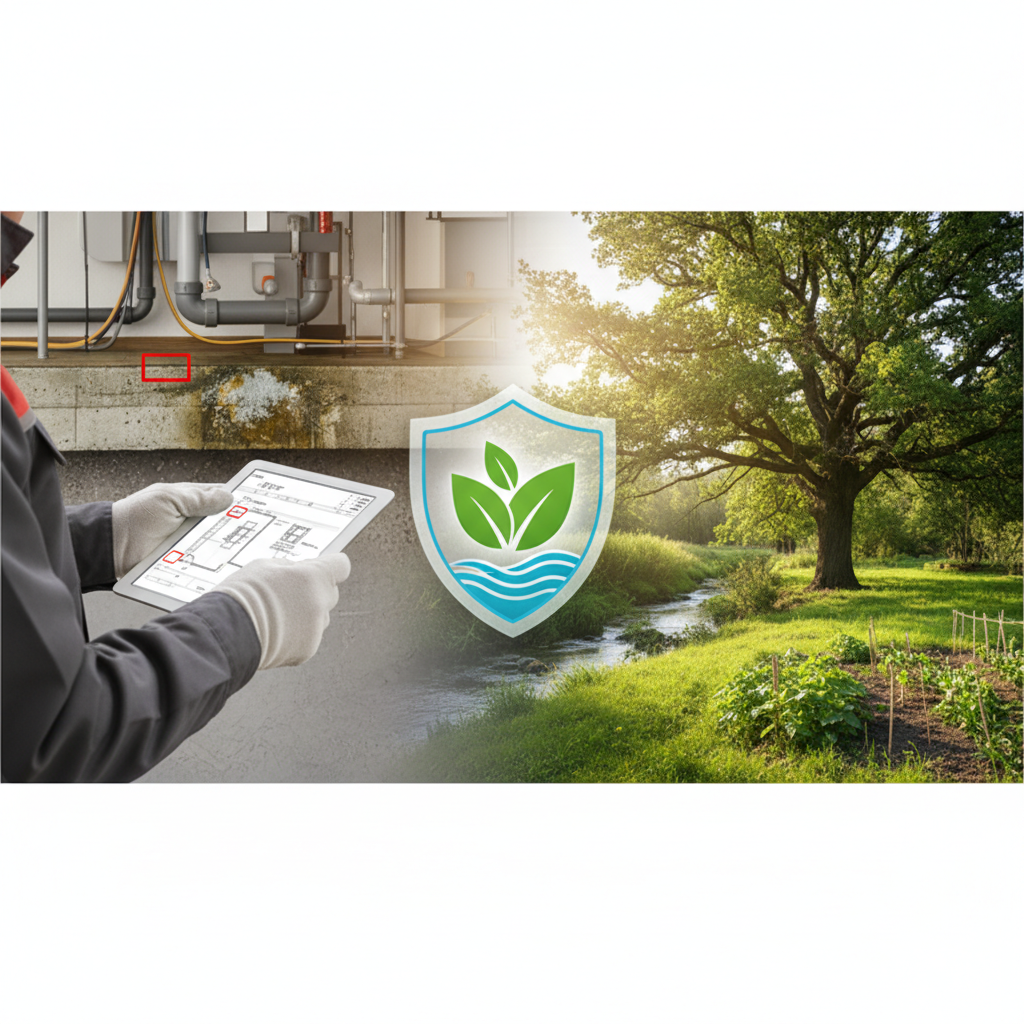
Most homebuyers understand the importance of a standard home inspection. These inspections thoroughly check the physical structure and systems of a property, ensuring structural integrity, proper plumbing, and functional electrical wiring. However, a traditional pre-purchase home inspection often does not cover environmental factors. This means that potential issues like nearby industrial contamination, buried waste, or even elevated noise levels might remain undetected, leaving buyers to discover them after moving in. Understanding these hidden risks is essential for a comprehensive evaluation of a property.
The Limitations of a Standard Home Inspection for Environmental Concerns
A standard home inspection really focuses on what's easily visible and accessible. Inspectors typically give the roof, foundation, walls, and major appliances a thorough once-over. They're great at spotting construction flaws or wear and tear that might mean immediate repairs down the line—super valuable for understanding a house's physical state. But here's the thing: environmental concerns often crop up outside the property lines or just aren't obvious during a quick walk-through. For example, an inspector won't typically assess groundwater quality, dig into historical land use, or measure airborne pollutants. Those checks are completely different beasts, needing specialized tools and data sources that really aren't part of a general home inspection.
- Standard inspections focus on visible structural and mechanical components.
- Environmental hazards are frequently hidden or external to the property.
- Specialized data and expertise are needed to identify such concerns.
Common Environmental Factors Overlooked by Traditional Home Inspections
Turns out, there are several key environmental factors that just don't make it onto a typical home inspector's checklist. Most homebuyers don't realize these can really hit a property's value, safety, and how livable it is. These often-overlooked elements can range from things that naturally occur to contamination caused by human activity.
Historical Land Use and Contamination
Many properties, especially in older neighborhoods or industrial areas, may have a history of different uses. The land could have once housed a factory, a gas station, a dry cleaner, or even a landfill. Traces of these past activities, such as chemical runoff or buried waste, can persist long after the original structures are gone. A standard inspection would not reveal these historical details, which often require reviewing public records and environmental databases.
Water Quality and Source Risks
While a home inspector might check for leaky pipes or water pressure, they typically do not test the quality of drinking water, especially if the home is connected to a municipal supply. However, even municipal water can be affected by regional contamination events, and well water sources are often susceptible to local environmental factors like agricultural runoff or industrial discharge. Most homebuyers do not consider that nearby industrial sites or contaminated groundwater could impact their water. The Environmental Protection Agency (EPA) sets standards for drinking water, but individual property-level concerns are rarely assessed without specific testing.
Air Quality Concerns
Indoor air quality can be assessed for things like mold or radon, but outdoor air quality is generally beyond an inspector's scope. Proximity to major highways, industrial facilities, or agricultural operations can introduce pollutants into the local atmosphere. These airborne contaminants, while not physically present on the property, can affect the ambient air quality of the neighborhood. Most homebuyers are unlikely to investigate regional air quality patterns during their property search.
Noise and Light Pollution
The desirability of a neighborhood is often tied to its aesthetic, but noise and light pollution are increasingly recognized environmental factors. Homes near airports, busy highways, train lines, or industrial sites can experience significant noise. Likewise, properties near commercial areas or dense urban centers might be subject to high levels of artificial light at night, impacting sleep and overall comfort. These are rarely disclosed in standard reports and often become apparent only after moving in.
Proximity to Hazardous Sites
Properties located near Superfund sites, hazardous waste facilities, or brownfields can carry elevated risks. These sites are designated by the EPA due to significant contamination, and their proximity can potentially impact soil, water, and air quality in surrounding areas. Most homebuyers are unaware of the location of these sites relative to their prospective home. Public records databases track these locations, but they require specific investigation.
How to Identify Potential Environmental Concerns Beyond a Home Inspection
Since a standard pre-purchase home inspection has its limits when it comes to environmental hazards, homebuyers need to adopt a few extra strategies. Actually researching these factors means a different approach, often involving data analysis and specialized reports. Just relying on what you can see or a general property report can lead to some major oversights. Knowing your options here helps paint a much fuller picture of a property's real environmental profile.
Government and Public Databases
Numerous government agencies, including the EPA, FEMA, and various state environmental departments, maintain public databases with information on environmental sites, flood zones, and contamination concerns. While these resources are publicly available, navigating them can be complex and time-consuming. Most homebuyers find collating and interpreting data from multiple disparate sources challenging, especially when relocating to an unfamiliar area. This DIY approach requires significant time commitment and expertise.
- EPA's Envirofacts and Superfund sites.
- FEMA flood hazard maps.
- State-level environmental regulatory agency records.
Natural Hazard Disclosure (NHD) Reports
In some states, especially California, sellers are legally required to provide a Natural Hazard Disclosure report. These reports typically cover risks like earthquake zones, wildfire areas, and flood plains. While useful for geological and natural disaster risks, NHD reports often do not delve into human-made environmental concerns such as industrial contamination, PFAS in water, or proximity to hazardous waste sites. They serve a specific, legally mandated purpose, but their scope is narrower than a full environmental screening.
Phase I Environmental Site Assessments (ESAs)
A Phase I ESA is a comprehensive report typically commissioned for commercial real estate transactions. It involves a detailed review of historical records, site reconnaissance, and interviews regarding a property's environmental condition. While thorough, Phase I ESAs are expensive and time-consuming, often taking weeks to complete and costing thousands of dollars. They are generally not practical for individual residential homebuyers due to their cost and specialized nature. Most residential buyers are looking for a more accessible solution.
Specialized Environmental Screening Platforms
Platforms like Vrnl offer a streamlined approach to compile environmental data for residential properties. These services gather information from various federal, state, and local sources, including EPA, FEMA, NOAA, and MSHA, to create a focused report for homebuyers. This approach makes complex data accessible and easy to understand, providing insights into potential issues like Superfund sites, PFAS contamination, water quality, industrial hazards, mines, noise, and light pollution. Most homebuyers find this method a practical balance between the DIY approach and the extensive, costly Phase I ESA.
- Consolidates data from multiple official sources.
- Reports cover 10+ environmental categories.
- Designed for residential homebuyers, saving time and money.
- Provides accessible, summarized information for easier decision-making.
The Importance of Environmental Due Diligence in a Competitive Market
In today's real estate market, homebuyers are often pushed to make quick decisions, leading to cut corners on due diligence—especially for things outside the typical home inspection. But environmental concerns aren't just abstract risks; they hit you with real impacts on property value, insurance costs, and your future quality of life. Skipping a look into these factors can mean unforeseen expenses and real regrets. Protecting your investment and your family often means you've got to look beyond what's immediately obvious.
Protecting Your Investment
Undisclosed environmental issues can significantly diminish a property's resale value. For instance, a home discovered to be near a Superfund site after purchase may be difficult to sell later, or require significant price reductions. Similarly, unknown issues with local water quality could necessitate expensive filtration systems or impact health, adding unexpected costs to homeownership. Most homebuyers view their purchase as a major investment, and environmental screening helps safeguard that investment against hidden depreciating factors.
Ensuring Family Well-being
Many environmental hazards, such as contaminated water or air, can have long-term health implications. While Vrnl promotes awareness, not alarm, recognizing potential exposures allows homebuyers to make informed decisions. A property near a former industrial site might warrant closer examination, not necessarily a rejection of the home, but a deeper understanding of its context. Understanding these factors provides a baseline for future decisions and monitoring.
Integrating Environmental Screening into Your Home Buying Process
Thinking about a property's hidden environmental profile should really be a standard part of buying a home, right alongside checking your finances or getting a traditional inspection. For most buyers, integrating environmental screening effectively means understanding where it fits in with all the other due diligence steps. It's an extra layer of information that makes your overall assessment of a potential home much stronger. This proactive approach helps avoid those blind spots that often get missed in the usual process.
When to Conduct Environmental Screening
Ideally, environmental screening should happen pretty early in the process—maybe even before you make an offer, or right after. This gives you time to actually react to what you find. Discovering a big environmental concern late in the closing process can mean big delays, a lot of stress, or even the deal falling apart entirely. Knowing early on helps shape negotiations and opens the door for more professional assessments if you need them. Most homebuyers would definitely prefer to have as much information as possible, as soon as possible.
Complementing Professional Assessments
No single report can ever replace a qualified professional. An environmental screening report simply gives you an overview, highlighting anything that might be worth a closer look. So, if a report flags something specific, like potential groundwater contamination, then it's smart to call in an environmental professional for specialized testing or further investigation. Vrnl, for instance, screens for potential issues; it doesn't confirm them. It acts as a helpful first filter, guiding you toward where deeper investigation might really be necessary. Most homebuyers find this layered approach saves both time and money. As of 2023, government agency data really supports this kind of tiered due diligence.
The role of environmental awareness in pre-purchase home inspections is growing, driven by a more informed homebuyer base. While a standard home inspection is crucial for the physical structure, most of the hidden context, the environmental story, goes untold. By leveraging specialized environmental screening tools, homebuyers can uncover these often-overlooked details. This allows for a more holistic evaluation of a property, protecting both the investment and the well-being of its future occupants. Taking the initiative to understand these environmental layers provides a significant advantage in making truly informed real estate decisions. Discover how a detailed environmental report can enhance your due diligence.
Frequently Asked Questions
This article was created with AI assistance and human editorial review for educational purposes only. It is not environmental, legal, medical, or real estate advice and does not constitute a Vrnl environmental report. For property-specific information, consider a Vrnl screening report or consult appropriate professionals. Read full disclaimer.