How to Check Flood Zone for an Address: Your Guide to Informed Home Buying
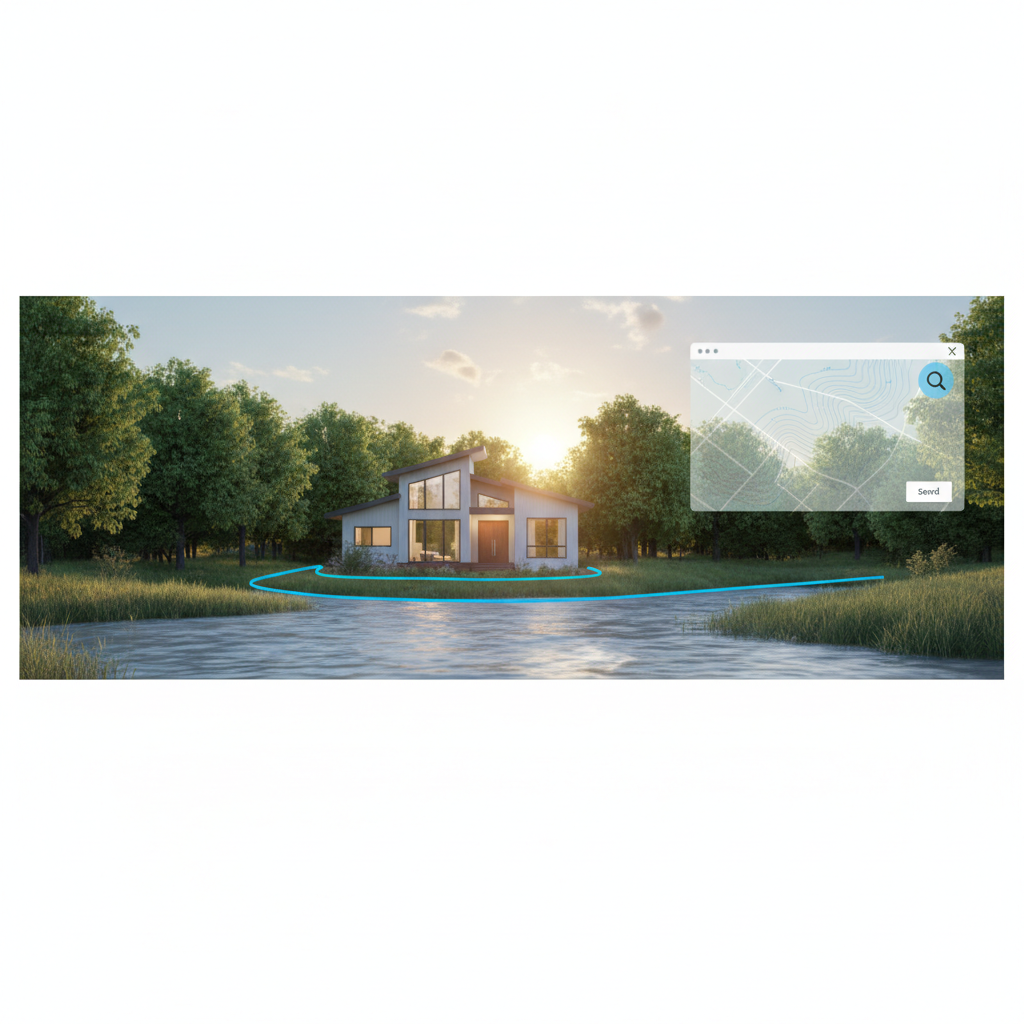
When you're searching for your dream home, it’s easy to get caught up in the number of bedrooms, the size of the yard, or the aesthetics of the kitchen. However, overlooking potential environmental concerns, especially flood risk, can have significant long-term implications. A property's location within a flood zone can impact everything from your insurance premiums to the structural integrity of your home, and even its resale value. Knowing this information upfront allows you to ask the right questions, budget accordingly, and ultimately, buy with confidence. Imagine moving into a new home only to discover that your homeowner's insurance doesn't cover flood damage, or that your mortgage lender requires expensive flood insurance you hadn't anticipated. These are the kinds of surprises that, while not always deal-breakers, are better known before you make an offer. Awareness, not alarm, is our mantra here. Understanding what's nearby – or what could happen nearby – is simply smart investing.
What is a Flood Zone, Anyway?
Before we dive into how to check a flood zone for an address, let's clarify what a flood zone actually is. A flood zone is an area designated by the Federal Emergency Management Agency (FEMA) as being prone to flooding. These zones are depicted on Flood Insurance Rate Maps (FIRMs), which illustrate the extent of flood hazards in a community. FEMA categorizes flood zones primarily based on their annual chance of flooding. The most common flood zones you'll hear about are those with a 1% annual chance of flooding – often called a '100-year flood' – and those with a 0.2% annual chance, or a '500-year flood.' It's important to remember that these aren't predictions of when a flood will occur, but rather statistical probabilities over any given year. Understanding these classifications gives you context, not just data, about a property's potential vulnerability to water. This information is crucial for not only property protection but also for meeting lender requirements and understanding your insurance options.
How to Check a Flood Zone for an Address (for Free!)
Yes, you absolutely can find basic flood zone information by address for free. The most direct and authoritative source for this information is FEMA itself. The FEMA Flood Map Service Center (MSC) is the official public portal. Simply visit msc.fema.gov. Once there, you can enter a specific address, and the system will provide you with the relevant FIRM panel and zone information. You can often view a dynamic map or download the FIRM for the area. While the FEMA MSC is a powerful tool, it does require a bit of navigation and familiarity with mapping interfaces. The maps themselves can sometimes be complex, detailing Base Flood Elevations (BFEs), floodway boundaries, and other technical data that might be overwhelming for a first-time user. Remember, this free option gives you the raw data. Interpreting that data – understanding its implications for a specific property – is where the next step comes in. It's a starting point for due diligence.
Why Free Flood Zone Maps Aren't Always Enough
While FEMA's free tools are great for an initial lookup, they provide 'data,' not always 'context.' The FEMA Flood Map Service Center is an excellent resource, but its focus is solely on flood risk. What if you want to understand all the potential environmental factors that could impact a property? This is where a more comprehensive environmental screening platform – like Vrnl – becomes invaluable. Vrnl provides an environmental profile that consolidates information not just on flood risk, but also on air quality, water quality, nearby industrial facilities, Superfund sites, PFAS contamination, and even climate-related events like wildfires and sea-level rise. Vrnl specifically shows FEMA flood zone information for any property. It takes information from 10+ authoritative sources, including FEMA, EPA, and NOAA, and presents it in an easy-to-understand format. You can certainly spend hours researching each of these categories individually across various government databases. However, most buyers don't have that kind of time. Our platform acts as a bridge, aggregating fragmented data and giving you a clear picture of potential environmental concerns, allowing you to ask targeted questions during your home buying process. This is about informed decisions without unnecessary anxiety, equipping you with awareness, not alarm. While a full Phase I Environmental Site Assessment (ESA) costs thousands and is typically for large commercial transactions, Vrnl provides a crucial, affordable environmental screening for residential buyers. It's more comprehensive than basic Natural Hazard Disclosure (NHD) reports, which often only cover a few hazards and are primarily California-centric. Vrnl helps you fill the 'unknown unknowns' gap.
Interpreting Flood Zone Information for Home Buyers
Once you've used a tool or service to check the flood zone for an address, what does the information actually mean for you as a home buyer? Here’s what warrants further investigation: Flood Zone Designation: As discussed, 'A' and 'V' zones indicate a higher flood risk and will almost certainly require flood insurance if you have a federally backed mortgage. 'X' zones are lower risk but can still experience flooding. Base Flood Elevation (BFE): If your property is in an SFHA, the BFE is a critical piece of information. It's the elevation to which floodwater is anticipated to rise during the '100-year flood.' Regulators use this to establish minimum elevation requirements for structures. Letter of Map Amendment (LOMA) or Revision (LOMR): Sometimes, a property might appear to be in a flood zone on a map but an individual survey proves otherwise. A LOMA or LOMR officially removes a structure or property from the SFHA. Always ask about this if a property is close to or in a designated flood zone. History of Flooding: Past events don't always dictate future ones, but a history of flooding in the area can provide valuable context. Local emergency management offices or even neighbors can sometimes provide this anecdotal information. Flood Insurance Requirements & Cost: Don't assume anything. If a property is in a flood zone, get an insurance quote. Flood insurance is separate from homeowner's insurance and can be costly, potentially adding hundreds or thousands to your annual housing expenses. This can significantly impact your monthly budget. These details empower you to weigh the pros and cons, negotiate, or simply understand the full financial picture of your potential new home. It’s about gaining context, not just data.
Actionable Steps After Reviewing Flood Zone Data
So, you've checked the flood zone for an address, and you have the data. What now? This information is meant to inform, not to scare you away from a property you love. Here are actionable steps: First, consult with professionals. If the property is in a higher-risk flood zone (Zone A, AE, V, VE), consult with an insurance agent specializing in flood insurance. They can provide an accurate quote and explain coverage options. Also, consider speaking with local officials or a surveyor who can interpret the FIRM specific to the property boundaries. Next, review the seller's disclosures. In many states, sellers are required to disclose if a property is in a flood zone or if they've received flood insurance claims. Compare this information with your findings. If there’s a discrepancy, inquire further. Then, factor insurance costs into your budget. Don't let new flood insurance costs surprise you. Make sure you understand the total monthly housing expense before making an offer. Also, consider mitigation efforts. For properties in flood-prone areas, consider what mitigation measures might be in place or could be implemented – such as elevation, flood vents, or landscaping changes. These can sometimes reduce insurance premiums. Finally, use it for negotiation. Knowledge is power. If a property in a flood zone hasn't been priced to reflect potential insurance costs or risks, you may have leverage during negotiations. Remember, Vrnl is a screening tool and a starting point for due diligence. We provide awareness of environmental factors, including flood risk, but we do not replace professional assessments or legal advice. If you have specific concerns, always consult with professionals like licensed insurance agents, real estate attorneys, or environmental consultants.
Beyond Flood Maps: A Holistic Environmental View
While understanding how to check a flood zone for an address is vital, it's just one piece of a much larger environmental puzzle. Your home's environment extends far beyond just water. What about the air you breathe, the ground your home sits on, or even the noise you hear at night? Consider these additional environmental factors that home buyers increasingly consider: Water Quality: Is the local water system free from contaminants like PFAS, lead, or other chemicals? (Learn more about how Vrnl screens for water quality). Air Quality: Are there industrial polluters nearby? What's the local particulate matter level? Contaminated Sites: Are there Superfund sites, hazardous waste sites, or former industrial areas in close proximity? (based on available EPA data) Climate Risks: Beyond floods, are there increasing risks of wildfires, extreme heat, or droughts? Noise and Light Pollution: These may not be 'environmental hazards' in the traditional sense, but they impact quality of life and enjoyment of your property. Most home buyers complete inspection, appraisal, and title search – but skip comprehensive environmental screening. This gap leaves potential residents vulnerable to unforeseen issues. Vrnl helps you bridge that gap, providing context, not just data, on more than 10 categories of environmental concerns. What matters is understanding what's nearby. Our goal is to empower you to make informed decisions without unnecessary anxiety, by bringing much-needed transparency to the environmental aspects of property ownership. Screen any US address to get started.
No home is 'risk-free,' but every home buyer deserves to be 'knowledge-rich.' Learning how to check flood zone for an address is an essential component of smart property due diligence, protecting your investment and providing peace of mind. By leveraging authoritative resources like FEMA and comprehensive screening tools like Vrnl, you can gain a clear understanding of potential environmental concerns, not just floods, enabling you to make a purchasing decision that's truly aligned with your long-term goals and comfort. Don't leave critical environmental information to chance; empower yourself with awareness before you sign.
Frequently Asked Questions
This article was created with AI assistance and human editorial review for educational purposes only. It is not environmental, legal, medical, or real estate advice and does not constitute a Vrnl environmental report. For property-specific information, consider a Vrnl screening report or consult appropriate professionals. Read full disclaimer.