Pesticide Contamination Testing for Residential Property
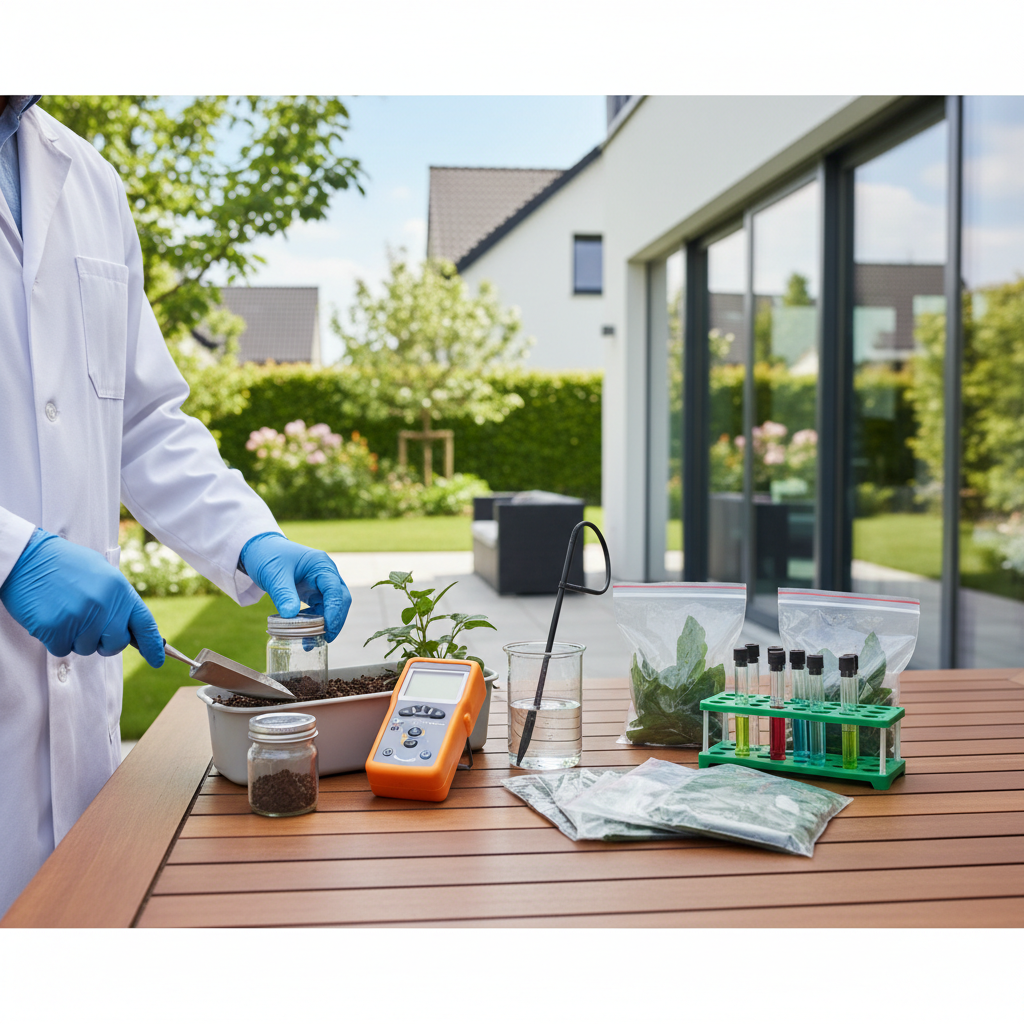
When buying a home, most people diligently check for leaky roofs or cracking foundations. But here's something that often gets overlooked: environmental factors like pesticide contamination. Turns out, your dream house could be sitting near old farm fields, industrial sites, or even areas where pest control was once a bit more... heavy-handed. Understanding these potential environmental details upfront can make a huge difference in your decision.
Understanding Residential Property Pesticide Concerns
Pesticides are those chemicals we use to keep pests—bugs, weeds, fungi, rodents—in check. While they're undeniably useful in farming, these substances can linger in the environment. For homes, that means you might find detectable levels in the soil or water, especially if you're in a region with a history of intense farming or close to certain commercial operations. If a property is near active or former agricultural fields, orchards, or even golf courses, finding some lingering residues is always a possibility. Most buyers just don't know how to spot these kinds of risks.
Sources of Pesticide Contamination Near Homes
Pesticide contamination can pop up in residential areas from a few different places. Sometimes it's from historical use right on the property itself, maybe for weed control in the garden years ago. Other times, it's from nearby agricultural activity—even fields miles away can contribute to drift. Runoff from golf courses or industrial applications can also affect the local soil and water. Pinpointing these factors for a specific property takes a deeper dive than a typical home inspection would cover. That's where tools like Vrnl come in, gathering data from sources like the EPA to flag those potential problem spots.
- Former agricultural land that has been redeveloped for housing.
- Residential areas downwind or downstream from active farms or orchards.
- Properties bordering golf courses or commercial landscaping operations.
- Sites near old industrial facilities that may have stored or processed pesticides.
What Standard Home Due Diligence Misses
A run-of-the-mill home inspection focuses on the stuff you can see: structural issues, the HVAC system, safety hazards. They don't typically include a deep environmental assessment for things like contamination, beyond maybe a quick check for lead paint or asbestos. And a standard Natural Hazard Disclosure (NHD) report? That's all about natural risks—floods, wildfires, that sort of thing—not man-made environmental concerns like lingering pesticide residues. So, most buyers are left to dig into the environmental research themselves, which, without specialized tools, can be a really time-consuming and complicated process.
Vrnl's Approach to Revealing Environmental Concerns
Vrnl puts together a detailed environmental screening report that pulls in data from federal and state sources, including information that's surprisingly relevant to potential pesticide contamination. This means buyers can quickly see if a property has a history of agricultural use, sits near significant pesticide application sites, or shows other signs that might warrant a closer look. It's a huge step up from just relying on general real estate disclosures or trying to DIY the research, which often misses crucial pieces of the puzzle.
DIY Research vs. Vrnl Screening
Most homebuyers trying to do their own environmental homework often hit roadblocks. It's tough to get access to comprehensive environmental databases or to make sense of complex scientific jargon. That usually leads to incomplete information or even misinterpretations. Vrnl simplifies all of this, pulling together relevant data into a format that's actually easy to understand. It highlights things like how close a property is to Superfund sites or industrial facilities that might have dealt with pesticides, giving you context you won't easily find with a simple Google search.
Why Not Just Order a Phase I ESA?
A Phase I Environmental Site Assessment (ESA) is a super detailed, on-site investigation. Think site visits, interviews, and deep historical dives. It's usually reserved for big commercial property deals because it's pretty expensive and complicated. For someone buying a house, a Phase I ESA is generally overkill. Vrnl steps in as an affordable alternative, giving you a preliminary look at publicly available data at a fraction of the cost and time. It helps you figure out if a full ESA is even something you need to consider. Remember, Vrnl reports are designed to flag potential issues that might need more investigation, not to replace a comprehensive Phase I ESA.
Key Data Points Vrnl Covers for Pesticide Contamination Screening
Vrnl's environmental reports pull data from a range of trusted sources. While it won't directly test your soil or water for pesticides (that requires a specialist collecting samples), it will pinpoint critical proximity factors and historical land use. This means it can flag properties near current or former agricultural production facilities, Superfund sites that might involve agrochemical contamination, or areas historically zoned for heavy industry. This big-picture view really helps homebuyers uncover potential hidden concerns that almost never come up through standard real estate channels.
- Proximity to current or former agricultural lands.
- Location relative to EPA Superfund sites and other contaminated land databases.
- Historical land use patterns indicating pesticide-intensive activities.
- Nearby industrial facilities that may have produced or stored pesticides.
For buyers, checking for potential pesticide contamination is just a smart move in the home-buying process. You'll still need professionals for actual testing, but knowing the risk factors upfront is absolutely essential. Vrnl offers a data-driven way to screen for environmental concerns, revealing what's hidden long before you even consider making an offer. It's all about giving you the context to understand a property's environmental characteristics better. See for yourself how a Vrnl report can add a valuable layer to your homebuying research.
Frequently Asked Questions
This article was created with AI assistance and human editorial review for educational purposes only. It is not environmental, legal, medical, or real estate advice and does not constitute a Vrnl environmental report. For property-specific information, consider a Vrnl screening report or consult appropriate professionals. Read full disclaimer.