PFAS Testing Cost and Your Home Purchase: A Buyer's Guide to Environmental Due Diligence
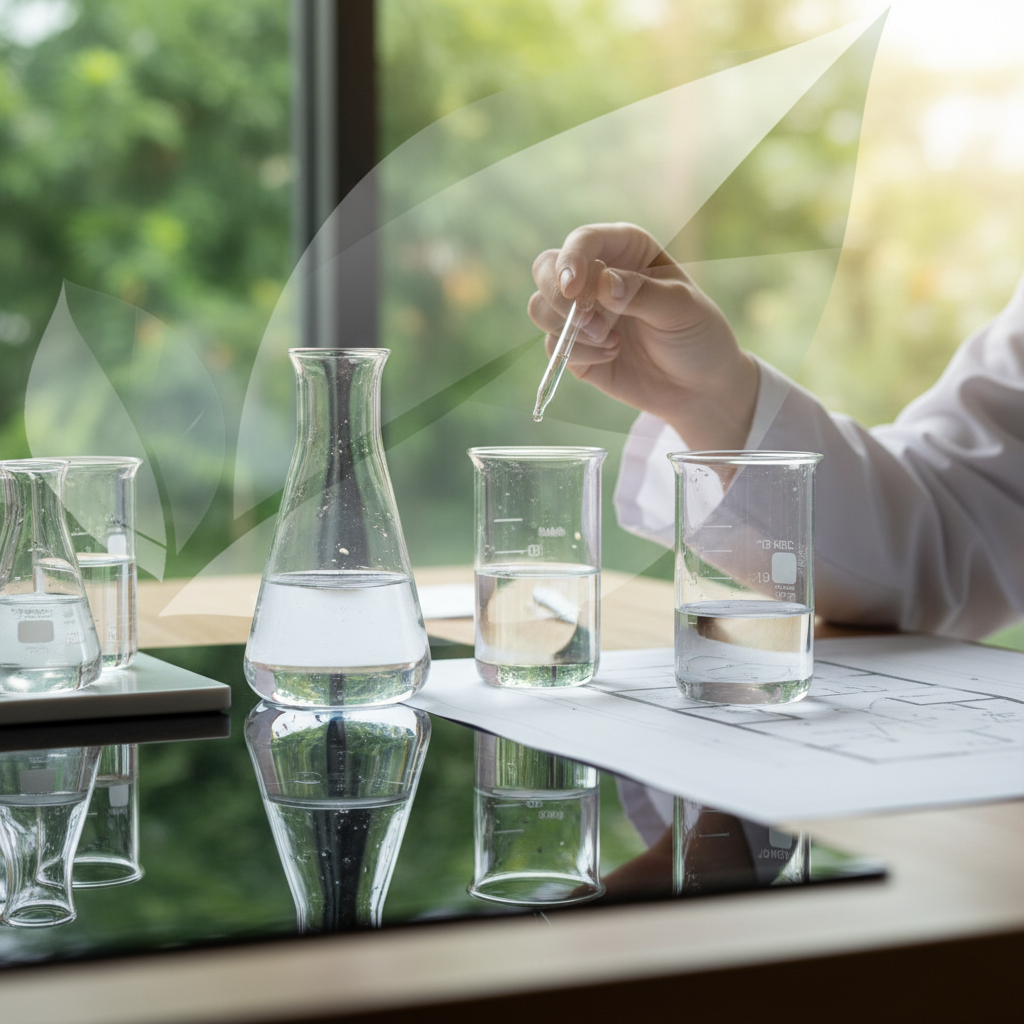
Buying a home is one of life's biggest investments, a process filled with inspections, appraisals, and disclosures. Most buyers focus on structural integrity or potential roof leaks, but an often-overlooked aspect is what lies beneath and around the property. Increasingly, concerns about PFAS—per- and polyfluoroalkyl substances, often called 'forever chemicals'—are entering the conversation. Understanding the potential PFAS testing cost for a home purchase, what it involves, and when it might be necessary is becoming a basic step for informed homebuyers.
What are PFAS and Why Do They Matter to Homebuyers?
PFAS are a group of man-made chemicals used in industry and consumer products since the 1940s. They are found in non-stick cookware, water-repellent clothing, stain-resistant fabrics, firefighting foams, and many other products. PFAS do not break down easily in the environment or in the human body, earning them the 'forever chemicals' moniker. The EPA has identified potential health risks associated with certain PFAS chemicals, including impacts on liver, kidney, and immune system health, as well as developmental effects. This makes their presence, particularly in drinking water, a significant concern for most homebuyers.
When Should You Consider PFAS Testing for a Home Purchase?
While not as routine as a general home inspection, considering PFAS testing is a growing trend, especially in areas with known industrial historical use or near military bases. Most homebuyers don't think about environmental factors beyond flood zones, but the broader picture matters. Here are scenarios where PFAS testing might be warranted:
- The property relies on a private well for drinking water, not a municipal supply.
- The home is near an industrial facility known to have used PFAS (e.g., plating operations, textile mills, paper mills).
- The property neighbors a military base, airport, or fire training facility where PFAS-containing firefighting foams (AFFF) were used.
- Local news or EPA alerts have reported PFAS contamination in the general area or municipal water supply.
- A preliminary environmental screen, like those provided by Vrnl, identifies potential PFAS sources nearby.
Understanding the PFAS Testing Cost for a Home Purchase
The PFAS testing cost for a home purchase can vary significantly based on the type of test, what substances are being screened for, and the lab performing the analysis. Most people associate environmental testing with large commercial projects, but residential options exist. Most testing involves collecting water samples, typically from a private well or municipal tap, which are then sent to an accredited laboratory. The laboratory process is complex, requiring specialized equipment to detect these chemicals, often at very low parts per trillion concentrations. This specialized process is a primary driver of the cost. Generally, expect the PFAS testing cost for a home purchase to range from a few hundred dollars to over a thousand. A basic screening for a common list of PFAS compounds might start around $300-$600. More comprehensive tests, checking for a broader spectrum of PFAS chemicals or testing multiple points, can easily exceed $1000. It's often recommended to get quotes from multiple certified labs to compare services and pricing. These costs typically fall to the buyer to cover, similar to other specific inspections.
Types of PFAS Testing Available
Not all PFAS tests are created equal. The most common form of testing for residential buyers focuses on water quality, specifically drinking water. Soil testing is also possible but less common for a standard home purchase due to higher costs and more complex interpretation unless specific soil contamination is suspected. Water sampling can be done by the homeowner following strict instructions or by a trained technician. Sending samples to a certified lab is essential. The EPA maintains a list of accredited labs that follow rigorous testing methods. Always ensure the lab you choose uses EPA-approved methods (such as EPA Method 533 or 537.1 for drinking water). If you find detections, understanding the levels is key. The EPA has health advisories and proposed Maximum Contaminant Levels (MCLs) for certain PFAS. For example, as of 2023, the EPA proposed MCLs for PFOA and PFOS at 4 parts per trillion (ppt). Knowing these benchmarks helps interpret results.
Beyond Testing: Proactive Environmental Screening
The decision to incur the PFAS testing cost for a home purchase often comes after an initial flag. How do most homebuyers identify these potential red flags? They don't, unless they know exactly what to look for. This is where environmental screening platforms play a role. Vrnl, for example, aggregates federal environmental data to provide homebuyers with an environmental screening report for any specific address. This allows buyers to see if the property is near Superfund sites, industrial facilities, military installations, or has documented municipal water system violations related to PFAS. Most homebuyers skip this step entirely. They'll pay $500 for a home inspection but won't spend 10 minutes checking whether the neighborhood sits downwind from a chemical plant. A Vrnl report gives a detailed, proximity-based overview, highlighting potential environmental concerns that might warrant a deeper dive, such as specific PFAS testing. It's an awareness tool, not a replacement for lab testing, but it can help you prioritize where your due diligence dollars are best spent. For instance, if a Vrnl report highlights multiple PFAS concern indicators near a property with a private well, then an investment in PFAS testing is a clear next step.
What If PFAS Are Detected?
If PFAS are detected above the EPA's health advisory levels or proposed MCLs, it doesn't necessarily mean the home purchase is off the table, but it does mean further investigation is needed. Possible steps after a positive detection: Discuss with your real estate agent and the seller. Disclosure laws vary by state, so understanding your rights and the seller's obligations is important. Consider mitigation options. For drinking water, advanced filtration systems (like granular activated carbon or reverse osmosis) can effectively remove PFAS. Costs for these systems vary, but they can be a viable solution. Evaluate the source and extent. Is the contamination localized, or is it a widespread issue in the community? This helps assess long-term implications. Obtain professional consultation. An environmental consultant can provide expert advice on risk assessment and mitigation strategies. Remember, detection does not automatically equate to danger, especially if levels are low and mitigation options are available.
Comparing Your Options: From DIY to Professional Assessments
Most homebuyers approach environmental concerns in a few ways. Some do basic online searches, looking for news articles or EPA sites. Others rely solely on standard property disclosures, which often don't include detailed environmental risks. Then there's the option of a NHD (Natural Hazard Disclosure) report, which covers things like flood zones and seismic activity, but rarely delves into chemical contamination. For complex issues, a Phase I Environmental Site Assessment (ESA) is the gold standard, but it's typically reserved for commercial transactions and costs thousands of dollars. For most residential buyers, a balanced approach works best. Starting with an environmental screening platform like Vrnl offers a cost-effective way to reveal potential hidden issues that might warrant further investigation, including the PFAS testing cost for a home purchase. It fills the gap between basic NHD reports and expensive Phase I ESAs, giving you targeted insight into what's around your potential new home. This pre-screening helps you decide if further, more targeted testing is necessary, directing your budget more effectively.
The rising awareness of PFAS contamination means homebuyers now have another layer of due diligence to consider. Understanding the potential PFAS testing cost for a home purchase is a practical step, but knowing when and why to test comes first. By starting with a comprehensive environmental screen, you can uncover potential red flags early, make informed decisions about targeted testing, and ensure you're making a truly sound investment. Don't let environmental surprises become costly headaches after you've closed.
Frequently Asked Questions
This article was created with AI assistance and human editorial review for educational purposes only. It is not environmental, legal, medical, or real estate advice and does not constitute a Vrnl environmental report. For property-specific information, consider a Vrnl screening report or consult appropriate professionals. Read full disclaimer.