Navigating Toxic Soil Testing for Home Purchase
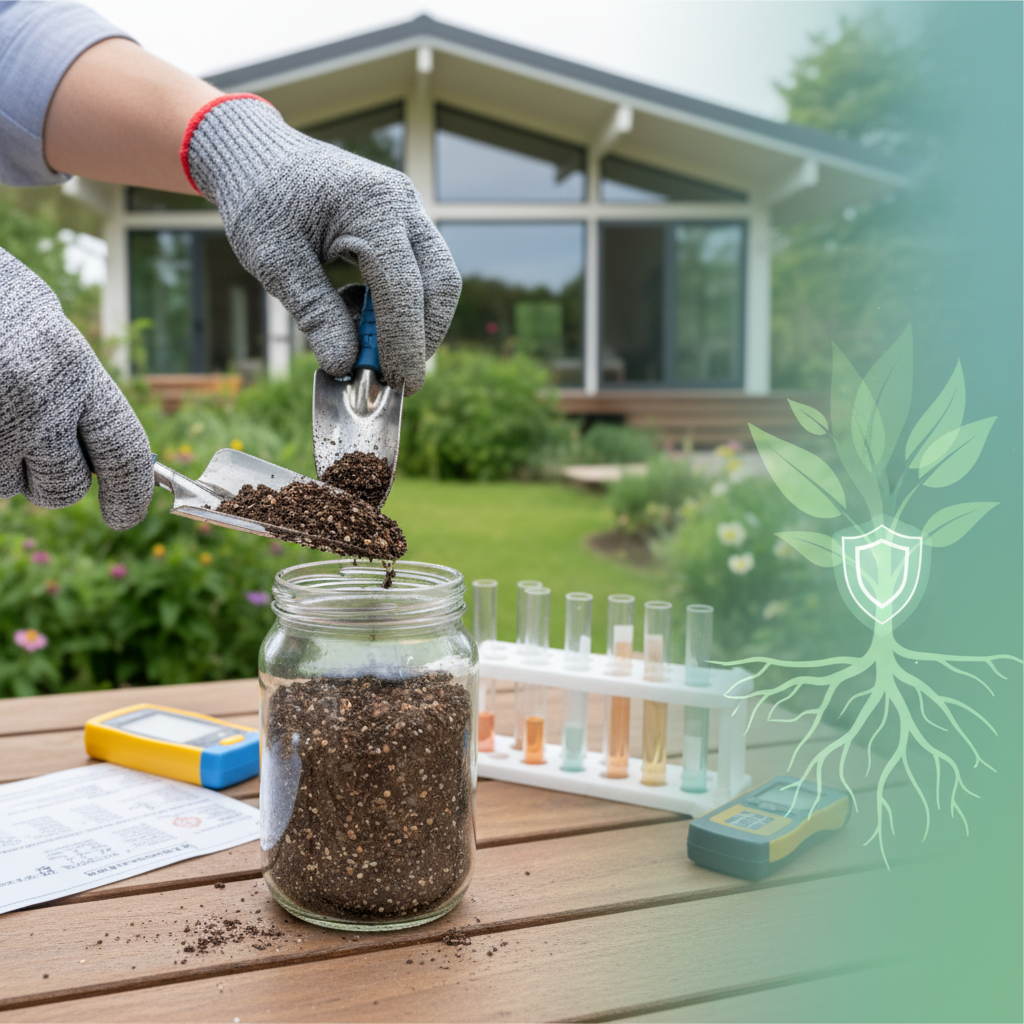
Most homebuyers consider a home inspection, appraisal, and title search as standard due diligence. However, evaluating the environmental history of a property, including potential toxic soil, is an often overlooked aspect of a home purchase. Understanding environmental conditions before buying a home can reveal hidden information about the land's past uses and potential impacts. This awareness helps in making informed decisions about a significant investment.
What Toxic Soil Testing for Home Purchase Entails
Toxic soil testing involves assessing a property's land for contaminants that might pose environmental or health concerns. These contaminants can originate from historical industrial activities, agricultural practices, or even improper waste disposal on or near the site. Detection of these substances helps homebuyers understand potential risks associated with the property. This is a critical step for many, especially when relocating to an unfamiliar area.
Common Sources of Soil Contamination, Including Brownfield Sites
Various factors can lead to soil contamination, often without obvious signs. Former gas stations, dry cleaners, manufacturing facilities, or even older residential homes that stored heating oil can leave behind residual chemicals. Agricultural runoff, historical landfills, and industrial spillage are also common contributors to soil issues. Identifying these past land uses is key to understanding potential concerns. These issues are rarely disclosed by sellers unless specifically mandated. A particularly important category of contaminated land is 'brownfield sites'. These are properties where the expansion, redevelopment, or reuse may be complicated by the presence or potential presence of a hazardous substance, pollutant, or contaminant. Unlike 'greenfield sites', which are untouched, undeveloped lands, brownfields have a prior history of industrial or commercial use. Understanding whether a property is a brownfield is crucial because they can pose significant public health and environmental risks if not properly remediated. However, with proper assessment and cleanup, brownfields can be safely redeveloped, transforming liabilities into community assets. Vrnl helps users identify potential brownfield sites by highlighting past industrial uses and proximity to historical contamination sources, providing a clear picture of a property's environmental legacy.
Options for Environmental Due Diligence
When considering toxic soil testing for a home purchase, most homebuyers encounter several approaches. Each method offers different levels of detail, cost, and time commitment. Understanding these options helps in choosing the right path for a specific property and risk tolerance.
Why Vrnl is a Practical Option for Toxic Soil Concerns
Vrnl was designed to bridge the gap between basic disclosures and expensive, in-depth studies. Our reports simplify complex environmental data, presenting it clearly and concisely. We identify potential concerns related to toxic soil by showing proximity to Superfund sites, industrial facilities, and other contamination sources, including potential brownfield indicators. This allows homebuyers to understand the environmental context of a property rapidly. The insights gained can guide decisions on whether to pursue a full Phase I Environmental Site Assessment or professional soil testing.
Understanding the environmental profile of a property, including potential toxic soil concerns and brownfield status, is a key component of thorough due diligence. Most buyers are protective of their family and investment, and a clear picture of environmental risks is essential. Whether it's a relocation to an unfamiliar area or investing in a known community, environmental screening offers valuable insight. Vrnl provides a comprehensive yet accessible way to obtain this information quickly. Review a sample Vrnl report today to see how it can clarify your next home purchase decision.
Frequently Asked Questions
This article was created with AI assistance and human editorial review for educational purposes only. It is not environmental, legal, medical, or real estate advice and does not constitute a Vrnl environmental report. For property-specific information, consider a Vrnl screening report or consult appropriate professionals. Read full disclaimer.