Well Water Testing Kits for Pesticides: A Comparison Guide for Homebuyers
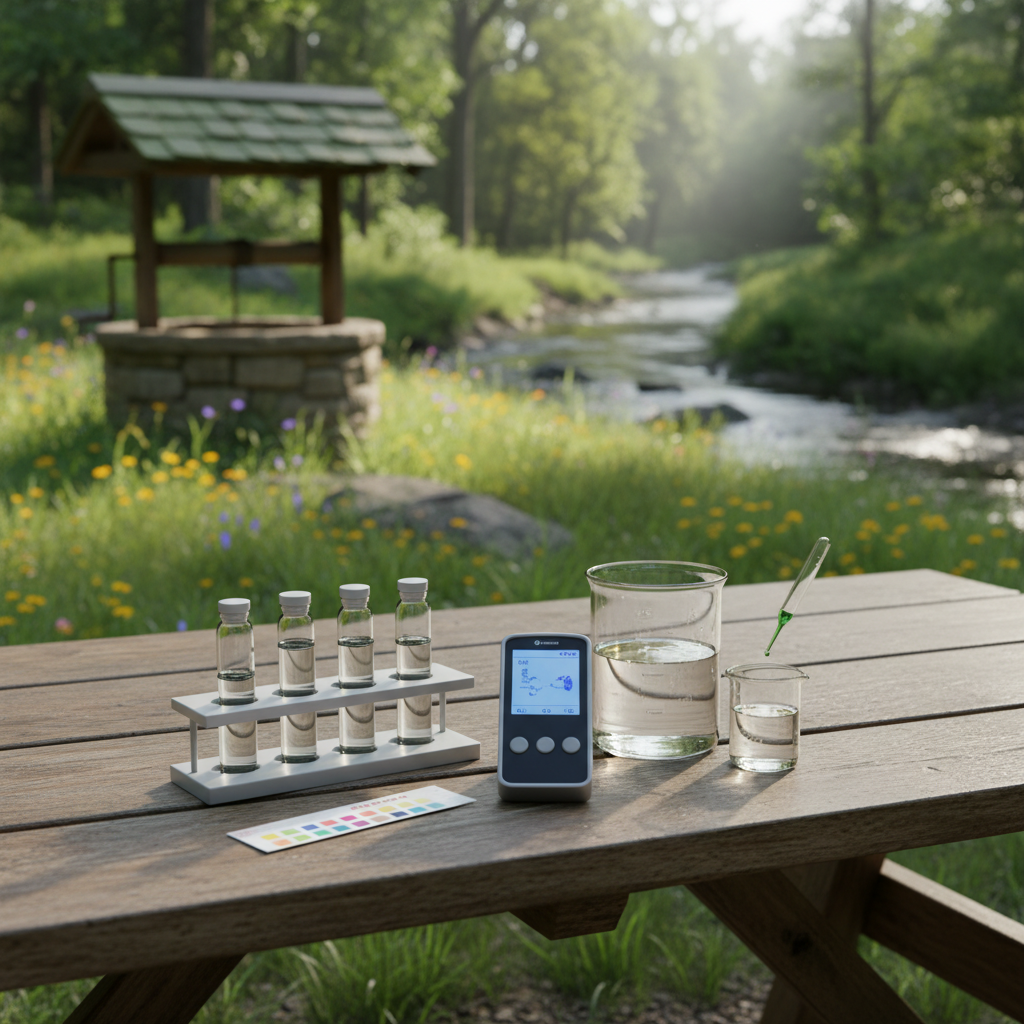
When you are buying a home, especially one with a well, you probably already know to test the water for common issues like bacteria or nitrates. But what about pesticides? Testing for those can get a lot more complicated, often requiring specialized labs. If you are moving into an area with a lot of farming, understanding pesticide contamination in your well water becomes seriously important. Well water testing kits for pesticides can provide some initial insights, and Vrnl offers a complementary, comprehensive environmental screening tool.
Understanding Pesticides in Well Water
Pesticides are chemicals designed to control pests. While they are a huge part of modern agriculture, they do not always stay put. They can easily hitch a ride from surface runoff into our groundwater and, eventually, into well water. Even tiny amounts, building up over time, can be a real concern for your health. What is often overlooked is just how little most people know about the specific pesticides common in their area or the historical spraying patterns that might affect their water source for decades to come.
How Well Water Testing Kits for Pesticides Work
So, how do those home well water testing kits for pesticides actually work? Generally, they give you a quick snapshot, checking for just a handful of common compounds. You will typically collect a water sample yourself, then either hold it up to a color chart or mail it off to a lab. For homeowners just wanting a basic idea, these kits can provide some initial clues.
Limitations of Standard Pesticide Testing Kits
Even though you can pick up well water testing kits for pesticides pretty easily, they have some pretty big limitations most homebuyers just do not realize. They rarely paint a complete picture of all the potential environmental exposures around a property, especially when you consider additional data sources. Often, these kits are built for convenience, not for deep, comprehensive analysis. And here is a big one: they will not tell you anything about historical pesticide use, which can linger in groundwater for a very long time.
The Vrnl Environmental Report: A Complementary Approach
Rather than just getting a single well water testing kit for pesticides, a Vrnl environmental report offers a broader, data-backed look at potential environmental concerns, including those tied to water quality. This approach pulls together information from all sorts of government sources, creating a context that individual kits just cannot match. For any homebuyer, it is worth checking out—an essential piece of due diligence for really understanding your property's environmental profile and protecting both your investment and your family's health. For example, it might show you an Environmental Protection Agency (EPA)-registered Concentrated Animal Feeding Operation (CAFO) down the road, which can add valuable context to local agricultural activity.
When to Use Each Approach
Well water testing kits for pesticides can be a good first step if you are worried about something specific, or just as a supplemental check. They offer a quick, though limited, assessment. A Vrnl report, on the other hand, provides critical insights into potential long-term risks and historical contexts that often go unmentioned, especially when you are buying a house, helping you to truly understand a property's environmental landscape.
Most homebuyers are really just looking for clear, useful information to make smart decisions. While well water testing kits for pesticides give you a narrow view, a Vrnl environmental report provides essential baseline awareness, often revealing potential hidden concerns that a simple kit just cannot. This comprehensive screening can really help prevent those significant environmental surprises from popping up after you have already bought the house. For a truly complete picture of a property's environmental profile, it is worth starting with a Vrnl report as a complementary tool to any specific water tests you might conduct.
Frequently Asked Questions
This article was created with AI assistance and human editorial review for educational purposes only. It is not environmental, legal, medical, or real estate advice and does not constitute a Vrnl environmental report. For property-specific information, consider a Vrnl screening report or consult appropriate professionals. Read full disclaimer.